Retinol Binding Protein Ab(RBP-Ab)
SKU: HT-628174
Lead Time
5-15 days
Shipping
Sea freight, Air freight, Express
Payment
T/T, L/C
Sample
Available
Product details
Product overview
Retinol binding protein 4 (RBP4) is a newly discovered adipokine that is expressed and secreted in adipose tissue and is involved in the occurrence of insulin resistance. RBP4 is not a newly discovered protein, it belongs to the retinol-binding protein (RBP) family. Retinol-binding protein is a type of specific transport protein in the body that transports vitamin A and its various active metabolites from the liver to target tissues, assisting vitamin A in exerting its physiological functions. Retinol-binding proteins can be divided into five categories based on sequence homology: serum retinol-binding protein (RBP), intracellular retinol-binding protein (CRBP), intracellular retinoic acid-binding protein (CRABP), and intracellular retinol-binding protein (CRABP). Internal retinaldehyde binding protein (CRALBP) and photoreceptor retinoid binding protein (IRBP). The latter four are all intracellular binding proteins, and RBP4 is the serum retinol-binding protein. It is the main extracellular transport protein and is responsible for binding and transporting retinol in the blood.
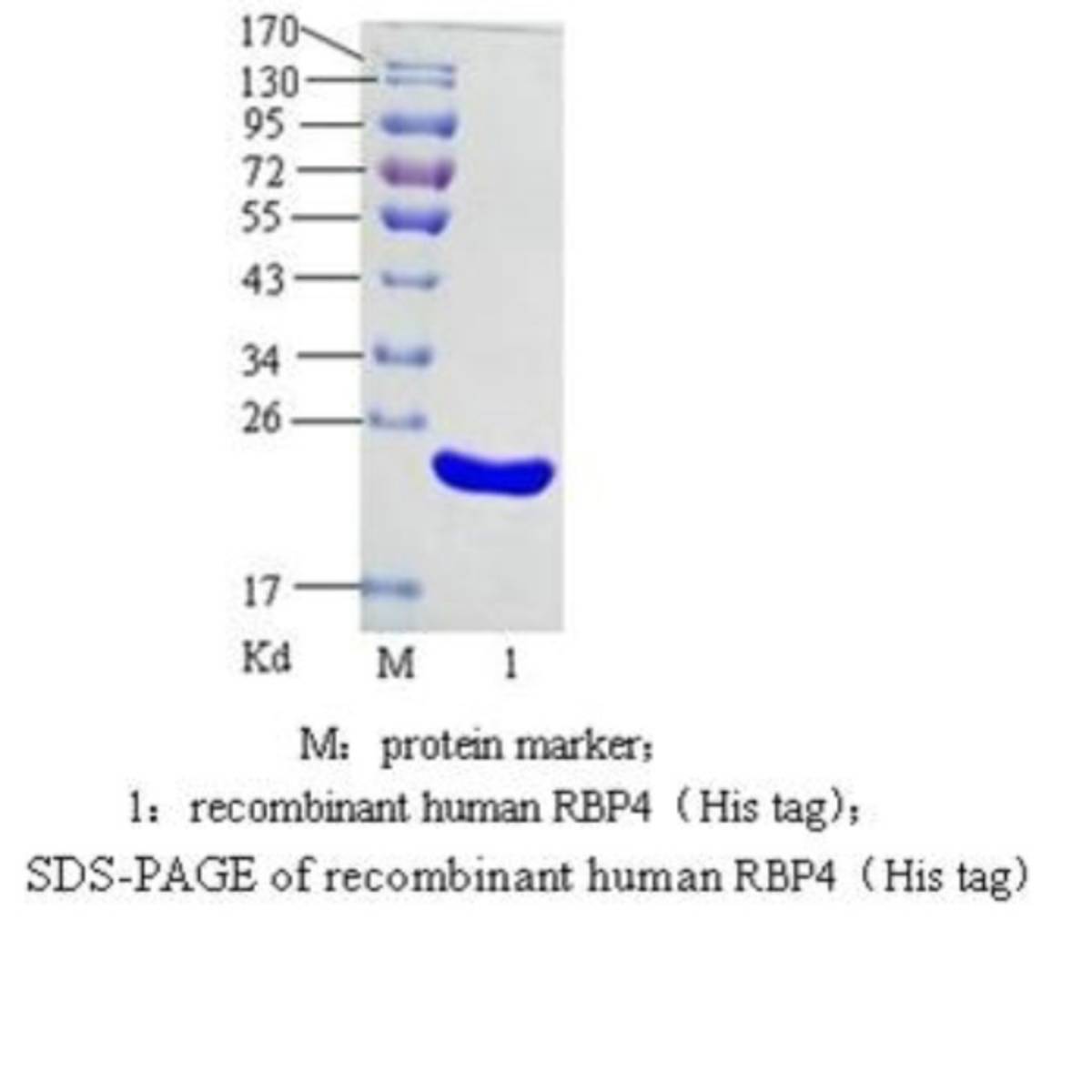
RBP4 is a single peptide chain protein with a molecular weight of approximately 21kDa, composed of 181 amino acids, and has a site-specific binding to a molecule of all-trans retinol. Multiple studies in different populations have shown that RBP4 levels are positively correlated with triglycerides (TG) and negatively correlated with high-density lipoprotein cholesterol (HDL-C), which may be related to the synthesis of TG in the liver and the release of VLDL into the blood to increase insulin resistance. Status related. In addition, RBP4 affects the metabolism of fatty acids. Dysregulation of fatty acid metabolism is closely related to insulin resistance. RBP4 affects the action of insulin by regulating lipid metabolism.
In addition, studies have shown a strong correlation between RBP4 levels and reduced flow-regulated vasodilation, increased urinary albumin excretion rate, and retinopathy, suggesting that serum RBP4 levels may serve as a reference for vascular complications in type 2 diabetes. index.
Our company's RBP antibodies have high titers and can be directly used in the development or production of RBP detection reagents.
Source: Rabbit, polyclonal antibody
Purification method: Protein A affinity purification
Potency: 1: 100,000-1 million
Buffer composition: PBS, 0.1% preservative
Storage conditions: It can be stored for one year at 4℃ and two years at -20℃ (it is recommended to store in separate packages and try to avoid repeated freezing and thawing)
Safety Tips: Not for human experimentation
Similar products
View all →


Others in Personal Care & Beauty Chemicals
View all →
#4-31606Versatile Aluminum Can Packaging – Fully Recyclable for Solid and Liquid Products
Quote on request