2019-nCoVReceptor Binding Domain(S-RBD His/Fc)
SKU: HT-628168
Lead Time
5-15 days
Shipping
Sea freight, Air freight, Express
Payment
T/T, L/C
Sample
Available
Product details
Product overview
2019-nCoV is a new coronavirus discovered at the end of 2019 and is highly contagious. Its proteins are divided into: spike glycoprotein (S protein), envelope glycoprotein (E protein), membrane glycoprotein (M protein), and nucleocapsid protein (N protein).
S protein (spike protein) is the most important surface membrane protein of coronavirus and contains two subunits, S1 and S2. S1 mainly contains the receptor binding domain (RBD), which is responsible for recognizing cell receptors. S2 contains the essential components required for the membrane fusion process.
Coronaviruses mainly mediate virus invasion and determine virus tissue or host tropism through the binding of spike glycoprotein (Sglycoprotein) to host cell receptors. Spike glycoprotein (S protein) is a type of large trimeric transmembrane glycoprotein that forms a special corolla structure on the surface of the virus, hence the name coronavirus. The S protein can recognize host cell receptors and mediate membrane fusion, which is crucial for virus particles to enter cells and is a key factor for viruses to infect host cells. 2019-nCoV, like the SARS virus in 2003, enters cells by recognizing the ACE2 protein of the human host. In particular, the cell receptor binding domain (RBD) of the S protein domain is directly involved in the host receptor. The amino acid variation in this region will lead to changes in the species tropism and infection characteristics of the virus.
The new coronavirus spike-receptor binding protein provided by our company is expressed in mammalian cells, with a histidine tag or mouse Fc tag. High activity and stable
Dosage form: solution
Source: Recombinant expression
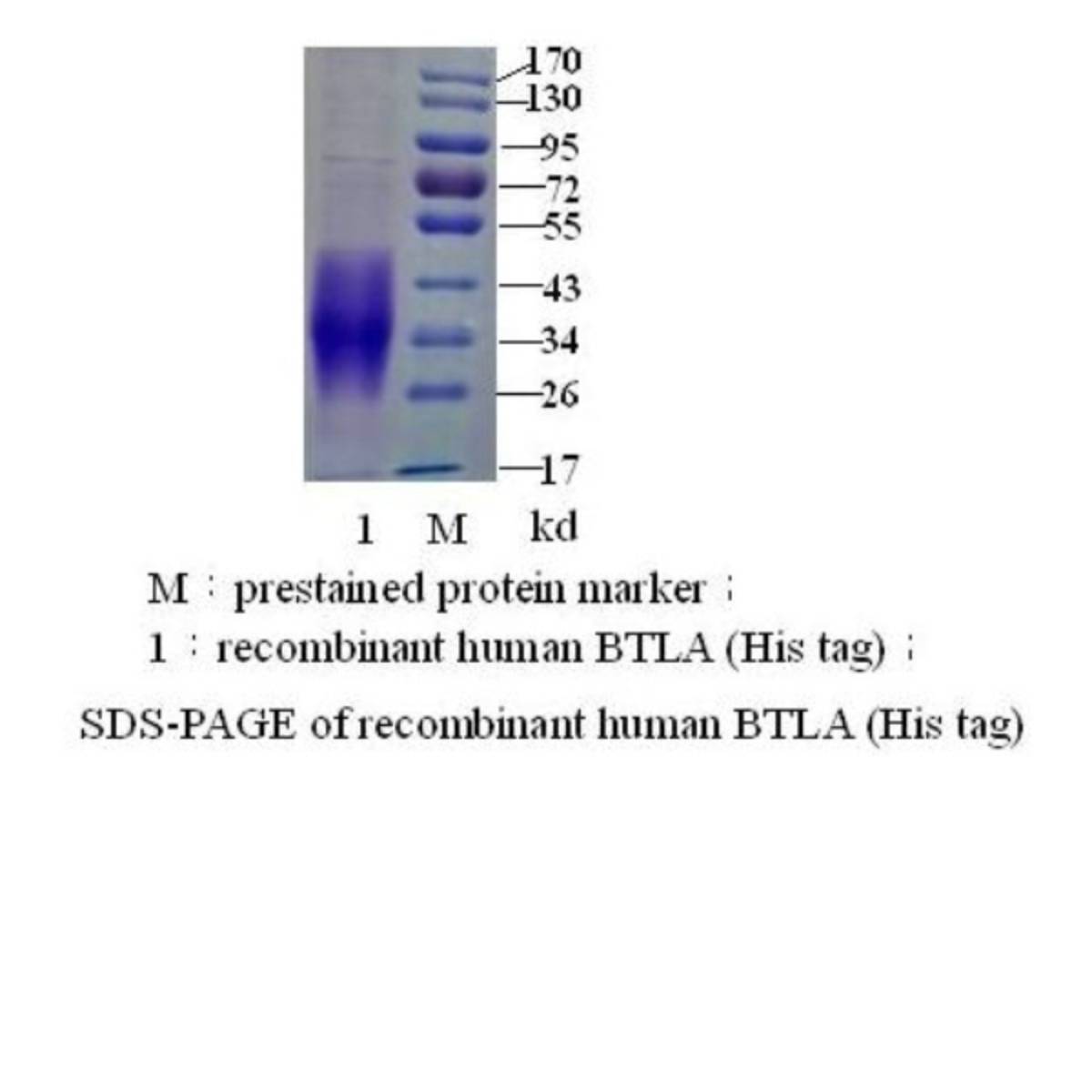
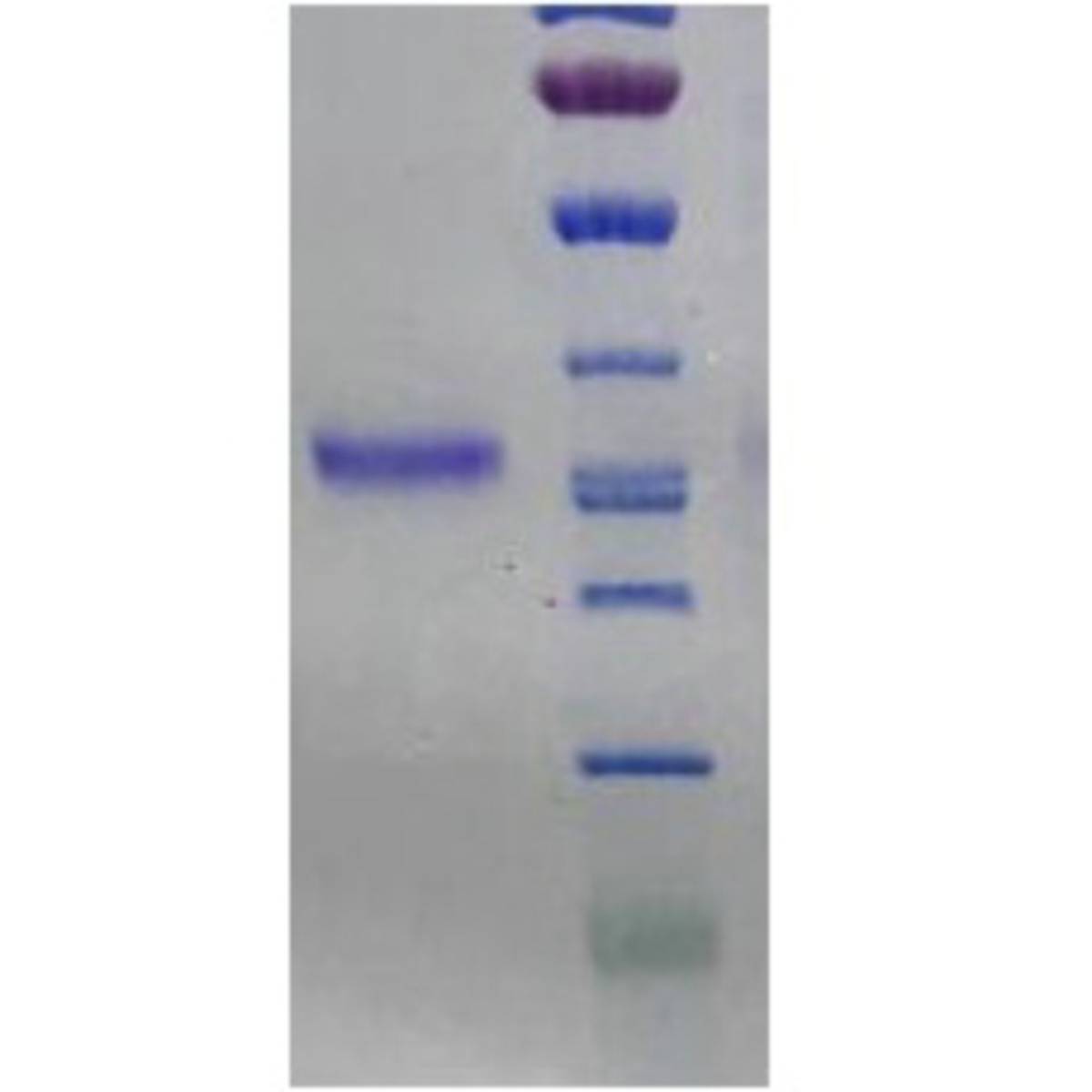
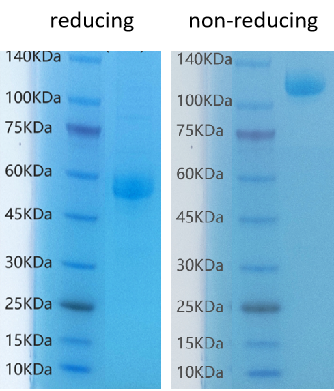
Molecular weight: about 37 kDa
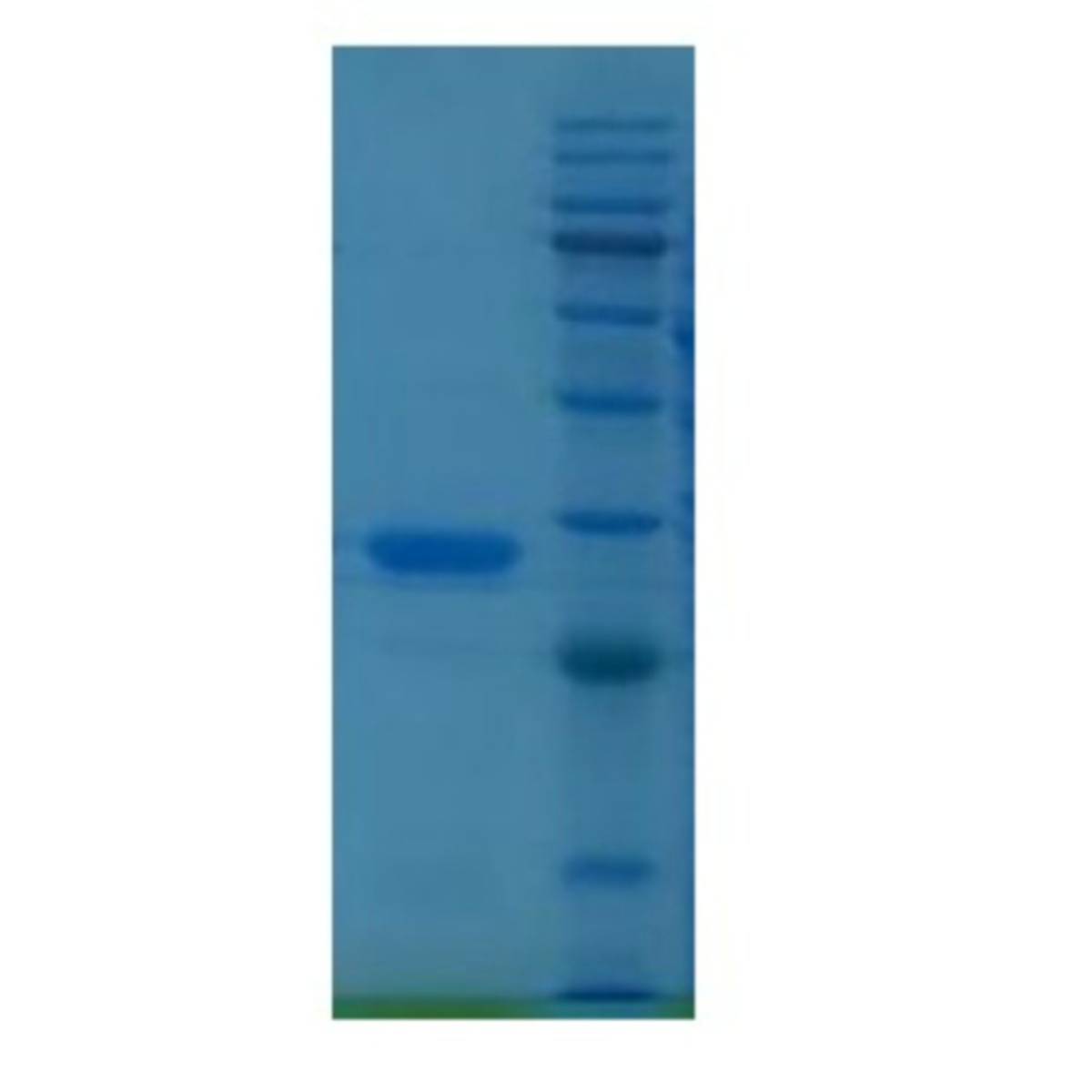
Purity: ≥90% (SDS-PAGE detection)
Preservation solution: 0.01M PBS, pH 7.4
Transport conditions: low temperature
Stability and storage: Within one week at 4°C from date of receipt. Stable for several years at temperatures from -20°C to -80°C. Repeated freeze-thaw cycles should be avoided in the frozen state.
Safety Tip: This reagent is only used for research and development or production, and is strictly prohibited for use in human experiments.
Similar products
View all →
#75-8900JOGHN wholesale outdoor sports running sport insoles orthotic insoles Breathable shoe insole
Quote on request


Others in Personal Care & Beauty Chemicals
View all →
#4-31606Versatile Aluminum Can Packaging – Fully Recyclable for Solid and Liquid Products
Quote on request