Serum Amyloid A Protein Ab(SAA-Ab)
SKU: HT-628177
Lead Time
5-15 days
Shipping
Sea freight, Air freight, Express
Payment
T/T, L/C
Sample
Available
Product details
Product overview
Serum amyloid A protein (SAA) is an acute phase reaction protein, which belongs to a heterogeneous protein in the apolipoprotein family, with a relative molecular weight of approximately 12,000. A particularly important property of serum amyloid A is the ability of its degradation products to be deposited in different organs in the form of amyloid A (AA) fibrils, which is a serious complication in chronic inflammatory diseases. The average serum SAA concentration in normal people is 2.33mg/L. The measurement of SAA concentration is more sensitive for the diagnosis of acute rejection of kidney transplantation than serum Cr. When infection is ruled out, an abnormal increase in SAA is more sensitive to acute rejection of kidney transplantation. Rejection reactions have great diagnostic value.
Similar to C-reactive protein (CRP), serum amyloid A concentration is a sensitive indicator of early inflammation in infectious diseases and helps diagnose inflammation, assess its activity, monitor its activity and treat it. However, serum amyloid A testing is more conclusive than C-reactive protein in diagnosing viral infections, renal transplant rejection in patients (especially those on immunosuppressive therapy), and in patients with cystic fibrosis treated with adrenocorticosteroids. . Serum amyloid A was found to be most closely related to disease activity in cases of inflammatory arthritis. Simultaneous detection of C-reactive protein and serum amyloid A improves diagnostic sensitivity for infection. For patients with amyloid A amyloidosis, treatment aimed at returning serum amyloid A levels to normal can improve the condition.
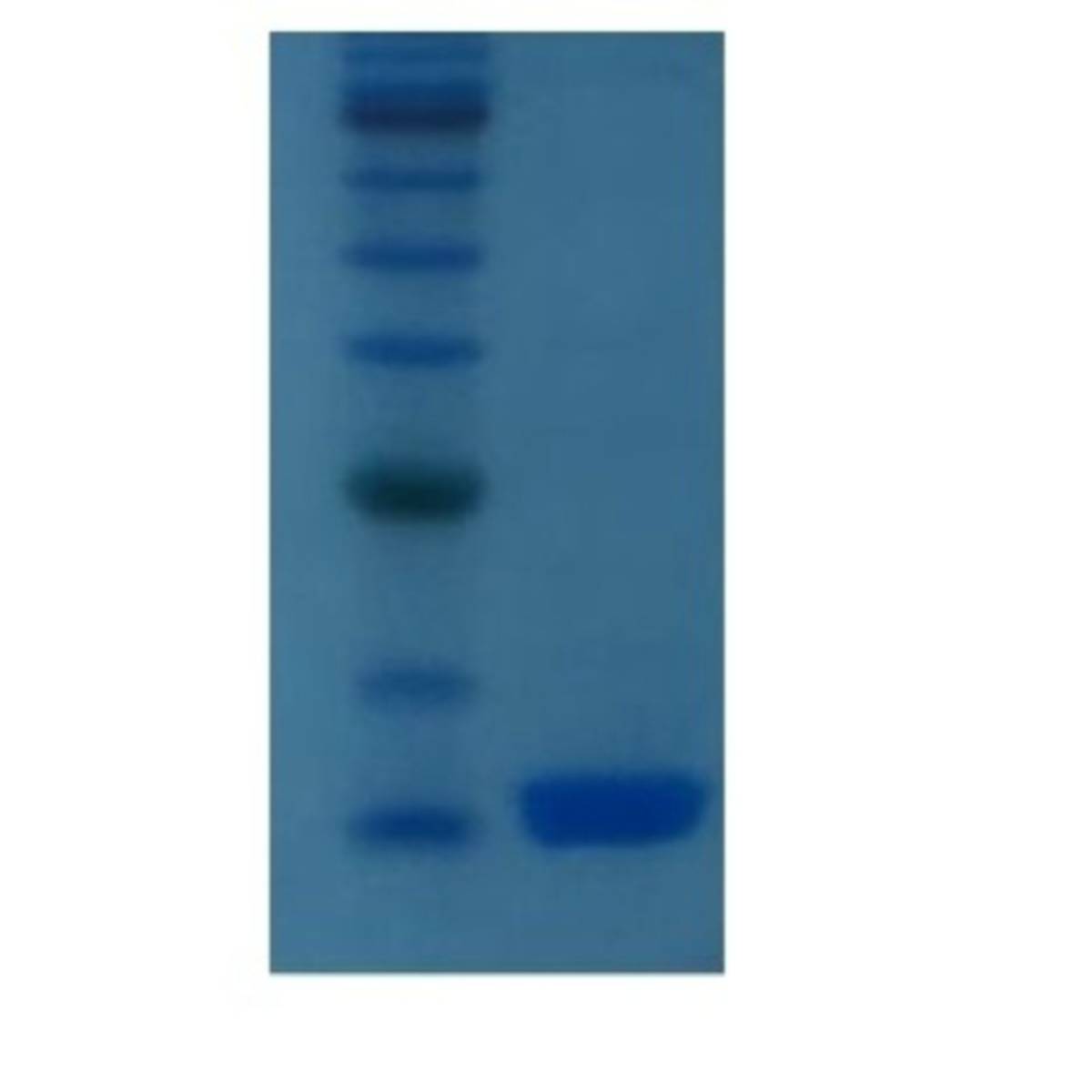
Our company's SAA antibodies have high titers and can be directly used in the development or production of SAA detection reagents.
Source: Rabbit, polyclonal antibody
Purification method: Protein A affinity purification
Titer: 1: 1 million
Buffer composition: PBS, 0.1% preservative
Storage conditions: It can be stored for one year at 4℃ and two years at -20℃ (it is recommended to store in separate packages and try to avoid repeated freezing and thawing)
Safety Tips: Not for human experimentation
Similar products
View all →


Others in Personal Care & Beauty Chemicals
View all →
#4-31606Versatile Aluminum Can Packaging – Fully Recyclable for Solid and Liquid Products
Quote on request