Glucose Dehydrogenase(GDH)
SKU: HT-628148
Lead Time
5-15 days
Shipping
Sea freight, Air freight, Express
Payment
T/T, L/C
Sample
Available
Product details
Product overview
Glucose dehydrogenase (GDH, EC1.1.1.47) , an oxidoreductase comming from a variety of microorganisms and tissues, catalyzes the following reaction:
β-D- glucose +NAD + (NADP+)______ β-D- gluconate +NADH +H+(NADPH +H+)
It specifically catalyzes the β-D- glucose to produce gluconate (D- glucose -δ- lactone) using NAD + (NADP +) as a cofactor. The amount of produced gluconate or the increase of NADH (NADPH) at 340nm absorbance can be used to quantify analysis of the enzyme or substrate.
The GDH provided by our company is recombinant protein. It is of high purity and good activity .
Biochemical studies: GDH can be used as the raw material enzyme in clinic diagnostic of blood glucose. Compared with the conventional methods such as glucose oxidase (GOD) method or hexokinase (HK) method, there are a series of advantages of GDH way to detect blood glucose, such as the simple operation, low cost, one-step, single enzyme to complete the reaction, and so on. In addition, continuous monitoring method or endpoint analysis (λ = 340nm) could be used in several kinds of automated analyzers. This method is not interfered with common concentration of anticoagulants or preservatives and is of the high sensitivity. Now most people believe that the glucose dehydrogenase is a reference method for the determination of glucose.
Product description:
Appearance: White powder, lyophilized
Preservation solution: 50mM phosphate buffer, pH7.0
Specific activity: About 200U/mg
Unit definition: 1 unit will catalyze 1uoml β-D- glucose oxidizing into D-glucose-δ-lactone per minute at pH8.0, 37 ℃.
Basic information:
Cat#: Abt-P-1018
Source: Recombinant expression
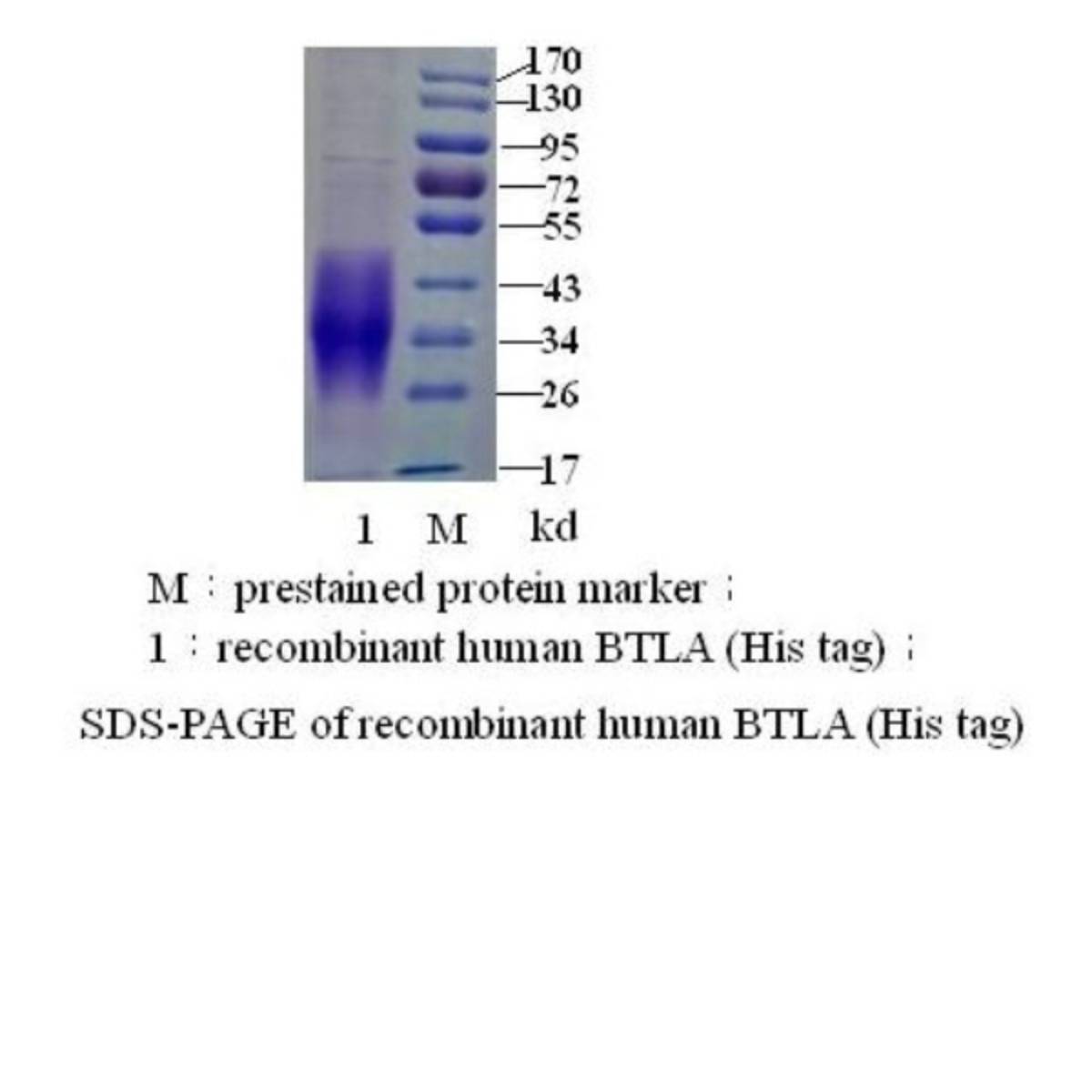
Molecular weight: About 28kDa (SDS-PAGE detection)
Purity: ≥90% (SDS-PAGE test)
Storage: 4℃, store at -20℃ for long-term preservation
Transportation: Cold packs
Safety tips: Do not use for human experiments
Similar products
View all →



Others in Personal Care & Beauty Chemicals
View all →
#4-31606Versatile Aluminum Can Packaging – Fully Recyclable for Solid and Liquid Products
Quote on request