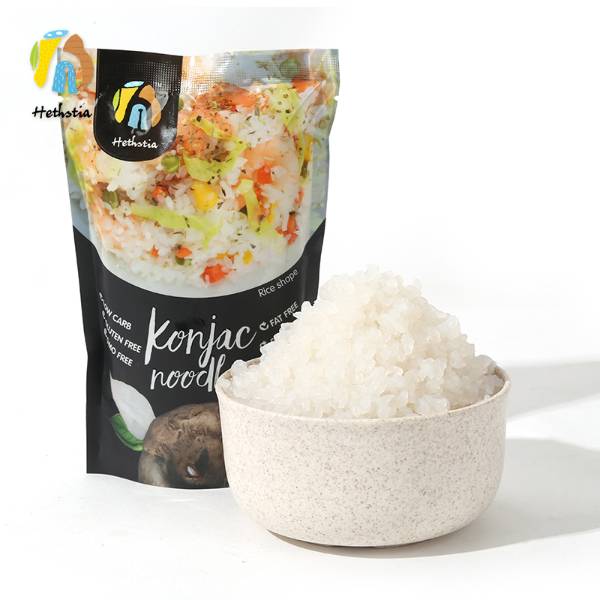
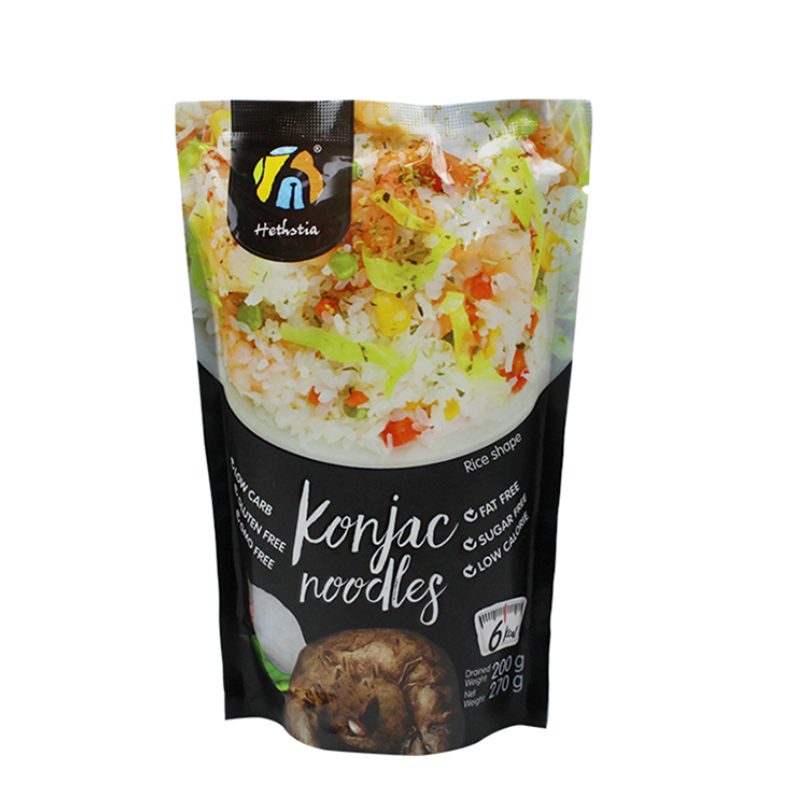
Dried Konjac Spaghetti
SKU: HT-030873
Lead Time
5-15 days
Shipping
Sea freight, Air freight, Express
Payment
T/T, L/C
Sample
Available
Product details
Product overview
Konjac noodle, also known as shirataki noodle or devil's tongue noodle, is a translucent, gelatinous noodle made from the root of the konjac plant (Amorphophallus konjac), native to East Asia. It is celebrated as a versatile, ultra‑low‑calorie food widely used in health‑conscious and specialty diets.
Key Features
-
Ingredients & Production
-
Made primarily from glucomannan, a water‑soluble dietary fiber extracted from konjac tubers, mixed with water and a small amount of alkaline coagulant (e.g., calcium hydroxide).
-
The mixture is shaped into noodles, blocks, or filaments, then packaged in water.
-
-
Nutritional Profile
-
Extremely low in calories (typically 5‑10 kcal per 100g) and carbohydrates.
-
Zero fat, sugar, or gluten, and almost no protein.
-
Rich in soluble fiber (glucomannan), which supports digestion and promotes satiety.
-
-
Texture & Flavor
-
Slippery, slightly chewy, with a delicate, almost neutral taste that easily absorbs sauces, broths, or seasonings.
-
Often rinsed or briefly blanched before use to reduce any subtle alkaline odor.
-
-
Culinary Uses
-
Popular in Japanese hot pots (sukiyaki), Korean soups, Chinese cold salads, and stir‑fries.
-
A staple in low‑carb, keto, diabetic‑friendly, and weight‑management diets as a noodle or rice substitute.
-
-
Health Benefits & Considerations
-
Promotes fullness, helps regulate blood sugar, and supports gut health due to its high fiber content.
-
Should be introduced gradually to avoid bloating, and is not nutritionally complete—best paired with protein, vegetables, and healthy fats.
-
In short:
Konjac noodles = Glucomannan‑based + Nearly zero calories + High fiber + Diet‑friendly.
A smart choice for cutting calories without sacrificing volume, though they work best as part of a balanced plate.

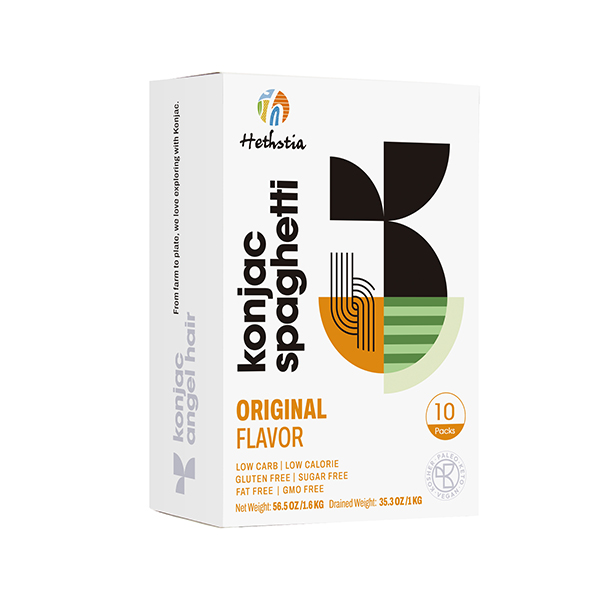
Dry konjac pasta-original flavor and Dry seaweed konjac pasta

Dry Oat konjac pasta

Dry carrot konjac pasta


Similar products
View all →


Others in Food-grade Laminated Bags & Roll Film
View all →