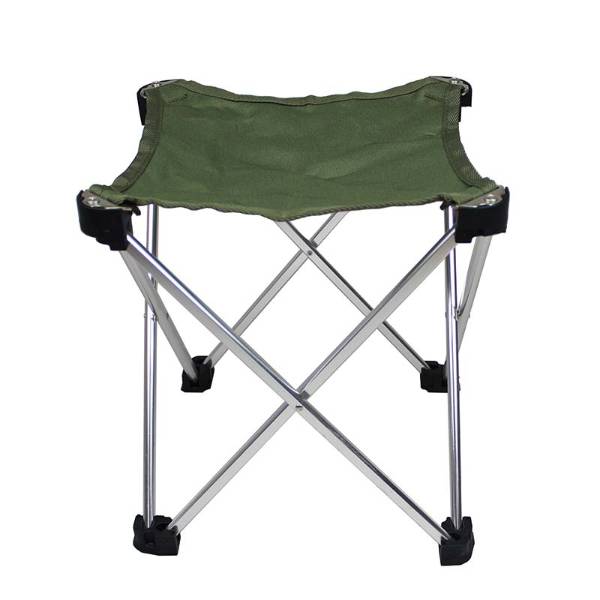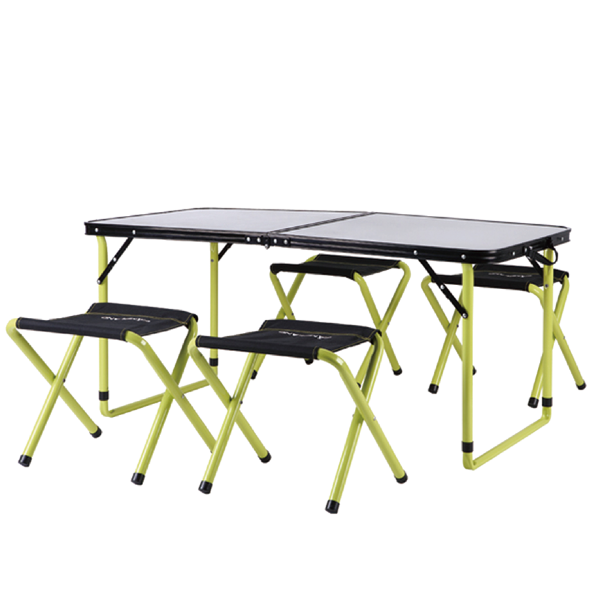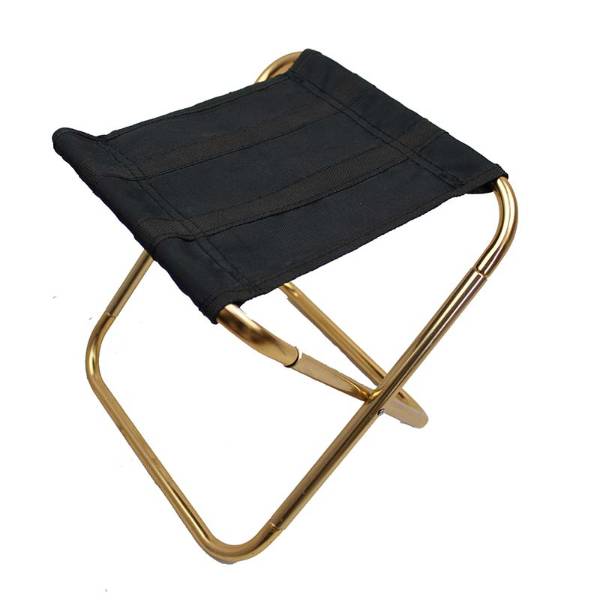
Small camping folding stool
SKU: HT-074420
Lead Time
5-15 days
Shipping
Sea freight, Air freight, Express
Payment
T/T, L/C
Sample
Available
Product details
Product overview
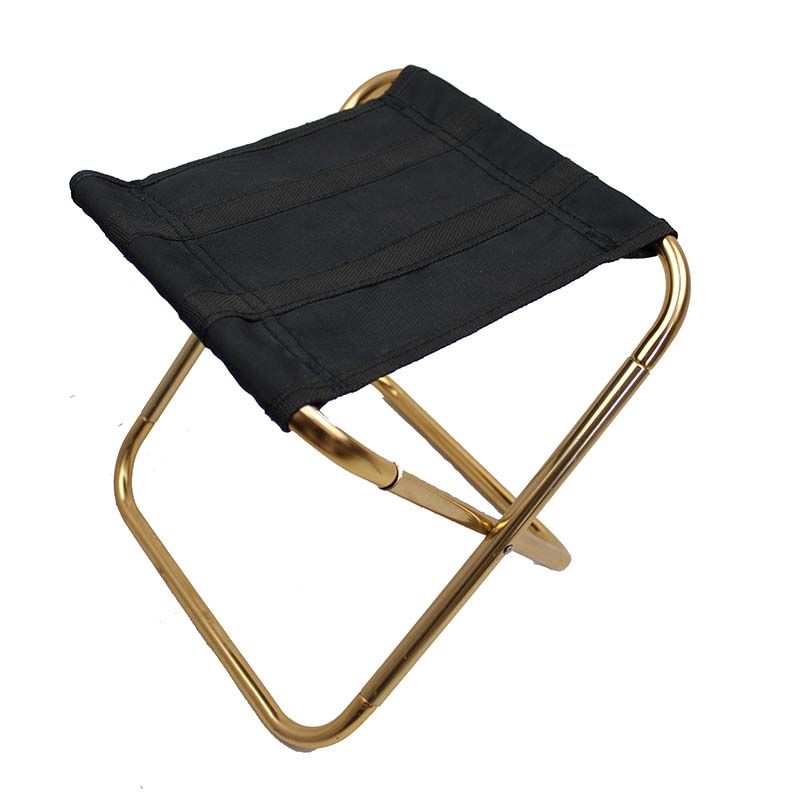
Fold size: ≈25.5x14x4cm
Unfold size: ≈25x22.5x26.5cm Weight: 0.3kg
Weight: ≤75 kg
Tube material: 6061 aluminum alloy
Chair surface material: 600D Oxford cloth
Storage bag material: 210D polyester cloth
Plastic material: nylon
Vertical pipe: φ 12mmx1.5mm
Horizontal pipe: φ 13mmx1.5mm
We've compiled a list of safe camping tips to make your camping trip both economical and fun.
Camping is a pleasant activity, but it does come with some minor dangers, and there are many tips to keep you safe for a fun-filled weekend or week-long adventure. Check out the guide below to learn more about how to make the most of your next campaign trip safe and comfortable for everyone.
1. How to choose the right shelter and location?
If you're living in a tent rather than a cabin or rv, you'll have different amenities available, so plan what gear you'll need accordingly, depending on your location choice.
For example, camping in a log cabin provides full and bunk beds, while sleeping in a tent requires an air cushion, sleeping bag or other accommodation.
About 60 percent of campers said they would camp in a tent, even though RVS and cabins offer more convenience and safety than tents. At JOJOHOPORO, we provide campers with picnic tables and chairs, campfire racks, camping cookers, find a nearby lounge with shower and a spacious area for your entire staff to hang out, relax and have a great time together.
2. How to deal with the changing weather?
Be sure to check the weather forecast before you travel. As we all know, the weather can change within an hour, which means packing for inclement weather like rain, snow, heat and high humidity is essential. About 33 percent of campers plan their trip a month in advance to be proactive.
3. How to make food more safe and hygienic?
Leaving food on a picnic table or anywhere unsafe will increase your chances of being attracted to wildlife. To prevent unnecessary confrontations with animals, pack your food in airtight, waterproof containers and store it in an insulated cooler. To avoid food-borne illness, wash your hands and separate raw and cooked food. Many campers get sick from contaminated food each year, so make sure you follow proper food safety measures.
4. How to practice bonfire safety?
The fire in your campsite should be at least 15 feet from tent walls, shrubs and trees. It is important to keep the source of the fire in a designated area, such as a fire pit. You should also not leave the fire unattended. Keep a bucket nearby to extinguish the fire before leaving or going to bed -- make sure to submerge all embers, not just the red ones.
5. How can campers be protected from insect bites?
To protect yourself from mosquitoes, ticks, and other insects, use insect repellent that doesn't dissolve in water. Make sure you check for ticks every day, especially in areas where your body doesn't know. Long-sleeved shirts and trousers are recommended for hiking to avoid direct contact with insects. After hiking or any outdoor activity, place your clothes in the dryer on a high heat for at least 10 minutes to kill any ticks that might crawl home on your clothes.
6. Watch out for allergies
Taking medications to which you are known to be allergic is to be prepared for any unexpected encounters. And carry a first aid kit with you and look out for dizziness, difficulty breathing, bites, or swelling where plants or insects may come into contact with the skin.
7. How to protect your skin from the sun?
We often think of overcast days as having no UV rays, but they can burn your skin just as badly as sunny days. In the middle of the day, when the sun's rays are strongest, finding shade and wearing a hat or sunglasses can protect you from uv rays. We recommend sunscreen and lip gloss with an SPF of at least 15.
8. How to stay hydrated?
Staying hydrated doesn't mean drinking water every time you're thirsty -- it means drinking water regularly throughout the day, even if you don't feel thirsty. Emergency kits should include a minimum of 3 to 5 days supply of bottled water. If you're thirsty, chances are you're dehydrated.
9. How to protect against wild animals?
Store food in your car, a bear-proof container or food locker to prevent attracting unwanted wildlife. By all means avoid touching and feeding animals - but if you do come into contact with any animals. Wash your hands with soap and water or with a hand sanitizer containing at least 60 percent alcohol.
Camping is a fun experience, but it's also important to pay attention to your body, what it needs and how it responds to the environment. Keep your head clear, get enough sleep, limit alcohol intake -- have fun getting out and enjoying nature!
Similar products
View all →
#4-31606Versatile Aluminum Can Packaging – Fully Recyclable for Solid and Liquid Products
Quote on request